
TOPPAN Sustainability Now
Asaka Plant Receives Recognition for Nationally Certified Sustainably Managed Natural Site based on the Act on Promoting Activities to Enhance Regional Biodiversity (September 2025)
In September 2025, the green space including the biotope within the grounds of the Asaka Plant shared by Tekscend Photomask Corp. (Tekscend Photomask)1 and the TOPPAN Group was recognized as a Nationally Certified Sustainably Managed Natural Site, under a program run by the Ministry of the Environment and other Japanese government agencies based on the Act on Promoting Activities to Enhance Regional Biodiversity.
1. Tekscend Photomask manufactures and sells semiconductor photomasks. The company was launched in 2022 after being carved out from TOPPAN and subsequently listed in October 2025.
Website: https://www.photomask.com/en/
About Nationally Certified Sustainably Managed Natural Sites
The Kunming-Montreal Global Biodiversity Framework’s “30 by 30” target has been set with the aim of effectively conserving at least 30% of land and sea areas as healthy ecosystems by 2030. To achieve this, the Japanese Ministry of the Environment and other government agencies run a program under which areas where efforts to preserve biodiversity are undertaken by the private sector are recognized as Nationally Certified Sustainably Managed Natural Sites.
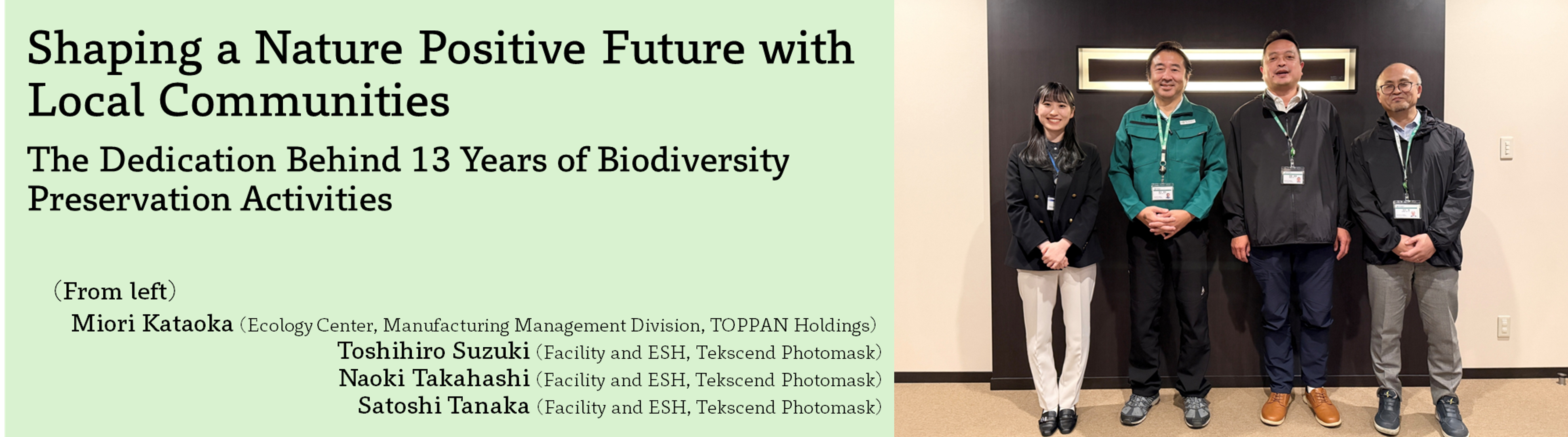
The TOPPAN Group positions biodiversity preservation as an important management issue and has set related environmental targets. In this feature, four employees working on the front line at the Asaka Plant talk about the Nationally Certified Sustainably Managed Natural Site and the dedication driving their efforts to preserve biodiversity.
Q. The three of you from Tekscend Photomask have been involved in managing the green space at Asaka Plant for a long time, since when you were TOPPAN employees. Tell us about the background to the development of the biotope that led to certification.
Suzuki: The old effluent treatment facility within the Asaka Plant premises has been used as a biotope2 since 2013, and we have worked to preserve endangered animal and plant species on the red lists3 published by the Ministry of the Environment and Saitama Prefecture. I think the certification is based on recognition of our ecosystem preservation track record over the years and our sustainable maintenance management system.
It all started 13 years ago, when the manager of the Asaka Plant at the time, who is a nature lover, started to consider whether we could engage in some kind of environmental activity rooted in the local community. We had never done anything like that before and didn’t really know what we were doing at first, so we spoke to Ecosystem Conservation Society - Saitama. Their experts suggested we preserve local endangered species by making use of the vacant area within the plant site that was previously used for effluent treatment. We started by preparing the pond for nature conservation. We decided to focus on animal and plant species from the local region that were in danger of becoming extinct and undertook protection activities strategically.
2. Biotope: A space created to restore ecosystems that have been lost due to impacts such as urbanization and provide a habitat for plant and animal species that are native to the region
3. Red list: List of wild animals, plants, and other living organisms that are at risk of extinction
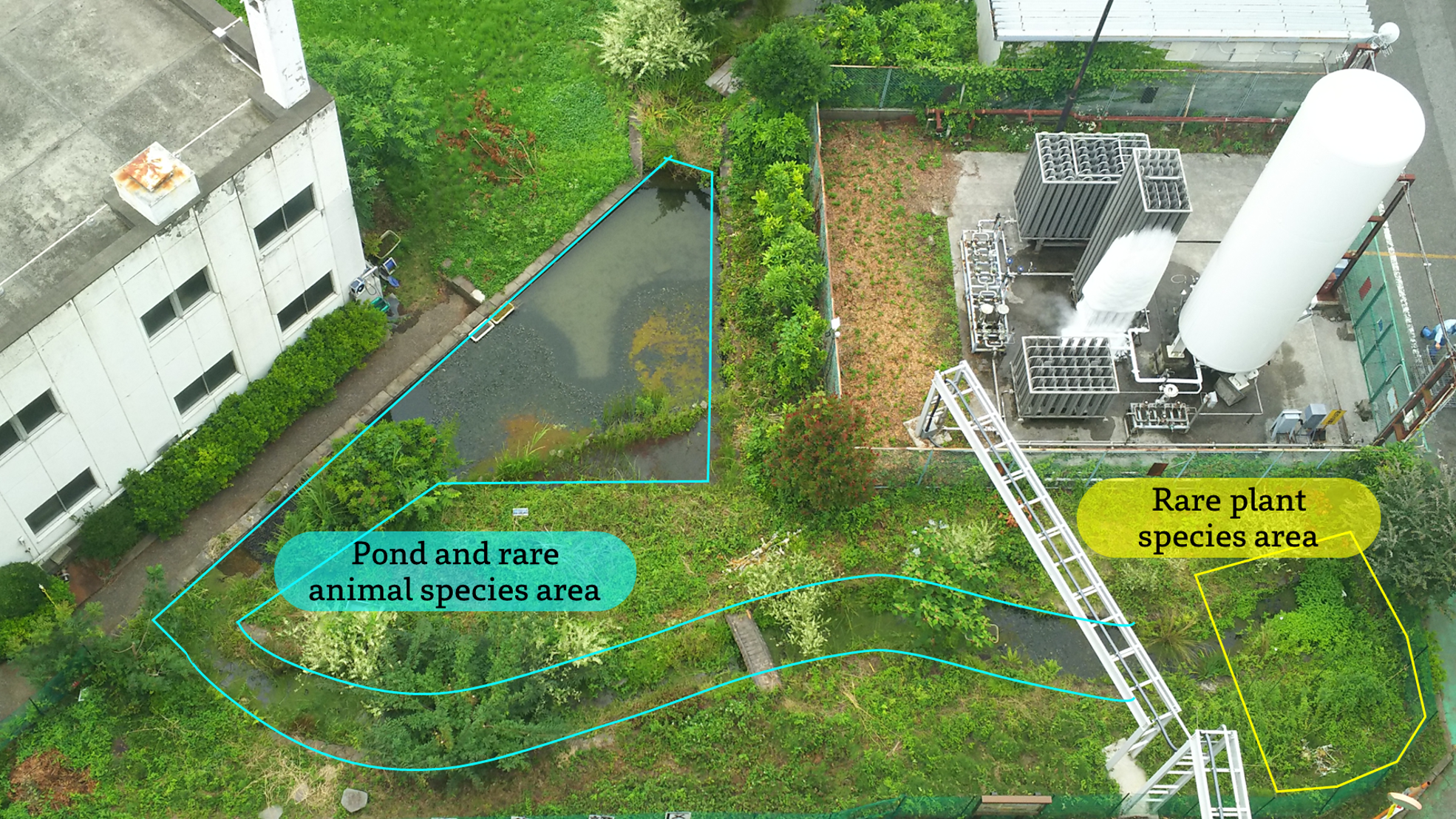
The biotope viewed from above
First, we succeeded in bringing in and protecting killifish that lived in the Mizutani Tanbo area that had been earmarked as a landfill site in the city of Fujimi. Building on that, we expanded the scope of species we protected to include Japanese eight-barbel loach (Lefua echigonia), which were decreasing in population due in part to development in Fujimi; Carassius buergeri, a type of Japanese crucian carp living in rice paddy water channels where construction of revetments was planned in the town of Kawajima; and Paratya improvisa, a species of freshwater shrimp that was being researched at Kawagoe Girls’ High School.
At the same time, we also work on plant conservation, with TOPPAN monitoring rare species like Saururus chinensis, commonly known as Asian lizard’s tail. As a result, we currently conserve three rare animal species and seven rare plant species in the biotope.
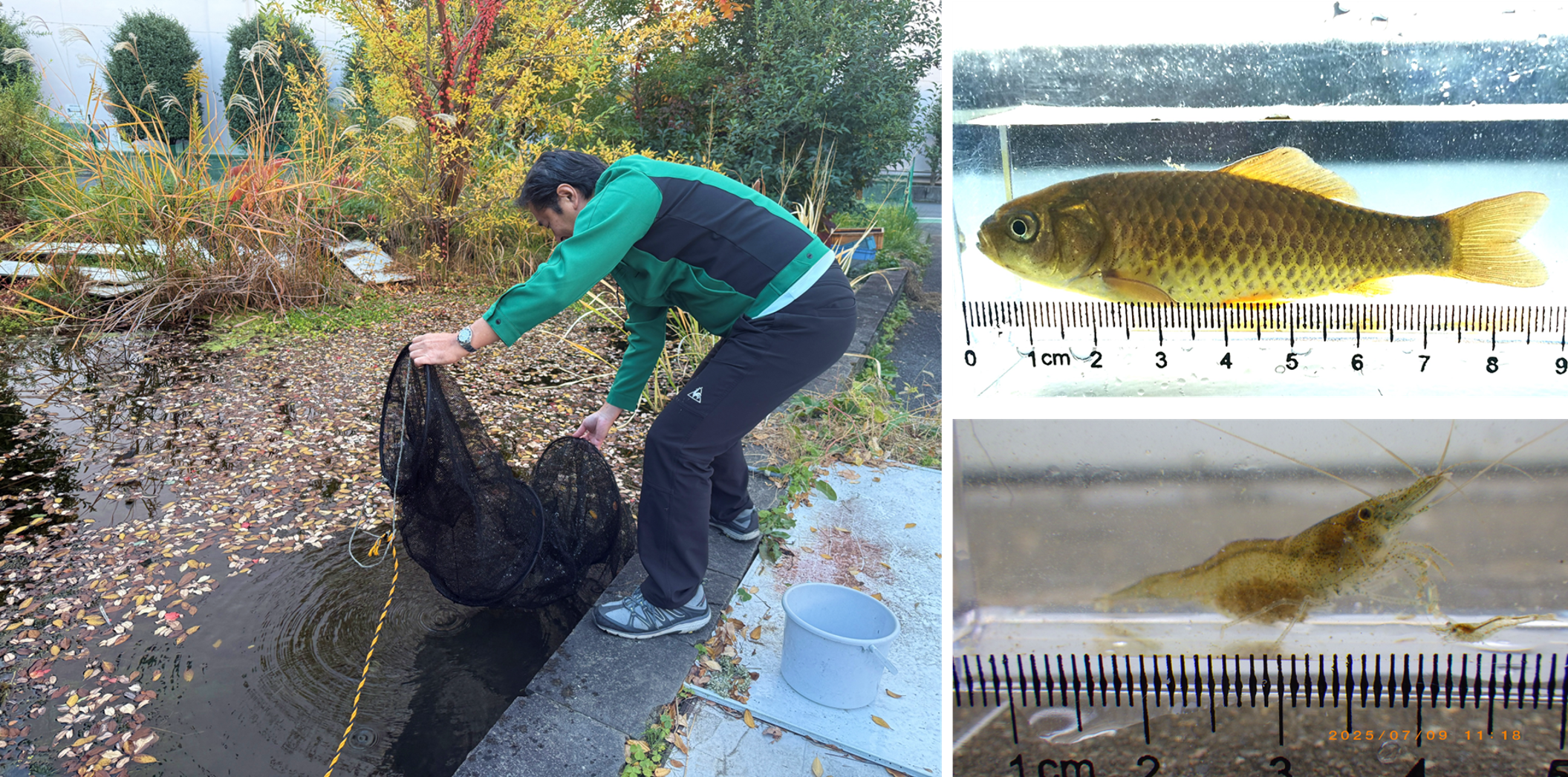
Carassius buergeri and Paratya improvisa living in the biotope
Q. What do you think were the main areas that were assessed favorably for the certification?
Suzuki: Part of it was certainly our track of doing this for more than 10 years, but I think our continuous maintenance system and monitoring plan were also key factors.
When companies undertake conservation activities, the challenge is sometimes whether you can maintain the same ecosystem when people can no longer work on it due to changes such as personnel transfers. To continuously maintain the ecosystem at the Asaka Plant, we therefore established a scheme to ensure that rare species would repeatedly breed even without human intervention. For example, by ensuring that aquatic plants thrive in the pond and are exposed to sunlight, we have significantly increased the population of microorganisms that provide a source of nutrients for rare species. The aquatic plants also play a role in increasing the populations of the rare species by providing a refuge for young fish and shrimp.
We use well water in the pond, but raise the water temperature in the winter to make sure the aquatic plants don’t all wither. As a result, the plants that remain at the beginning of spring grow again. With this cycle, we have managed to establish an ecosystem that can be sustained for five to ten years even without human involvement.
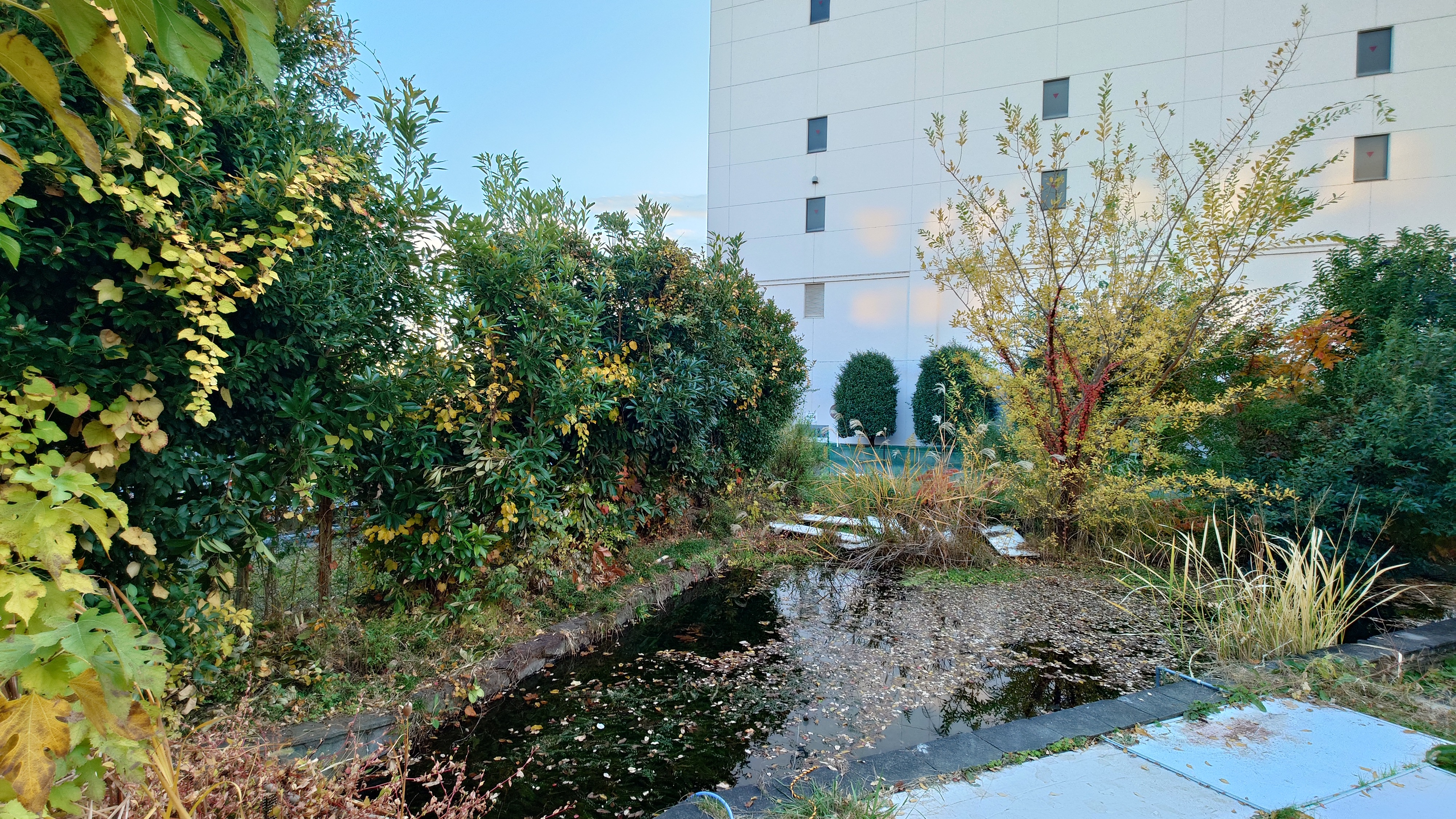
Well water flows into the pond in which aquatic plants flourish
Kataoka: We use e-Platch™, a service provided by TOPPAN Inc., to monitor the water constantly. By employing ZETA, a Low Power Wide Area (LPWA) network protocol, this service makes it possible to collect and visualize data needed for environmental conservation, so we believe it is also effective for managing biotopes. We have been able to put in place a system that even allows us to keep a constant eye on water flow volume and temperature remotely.
Related link (in Japanese): https://www.toppan.com/ja/electronics/solution/environment/
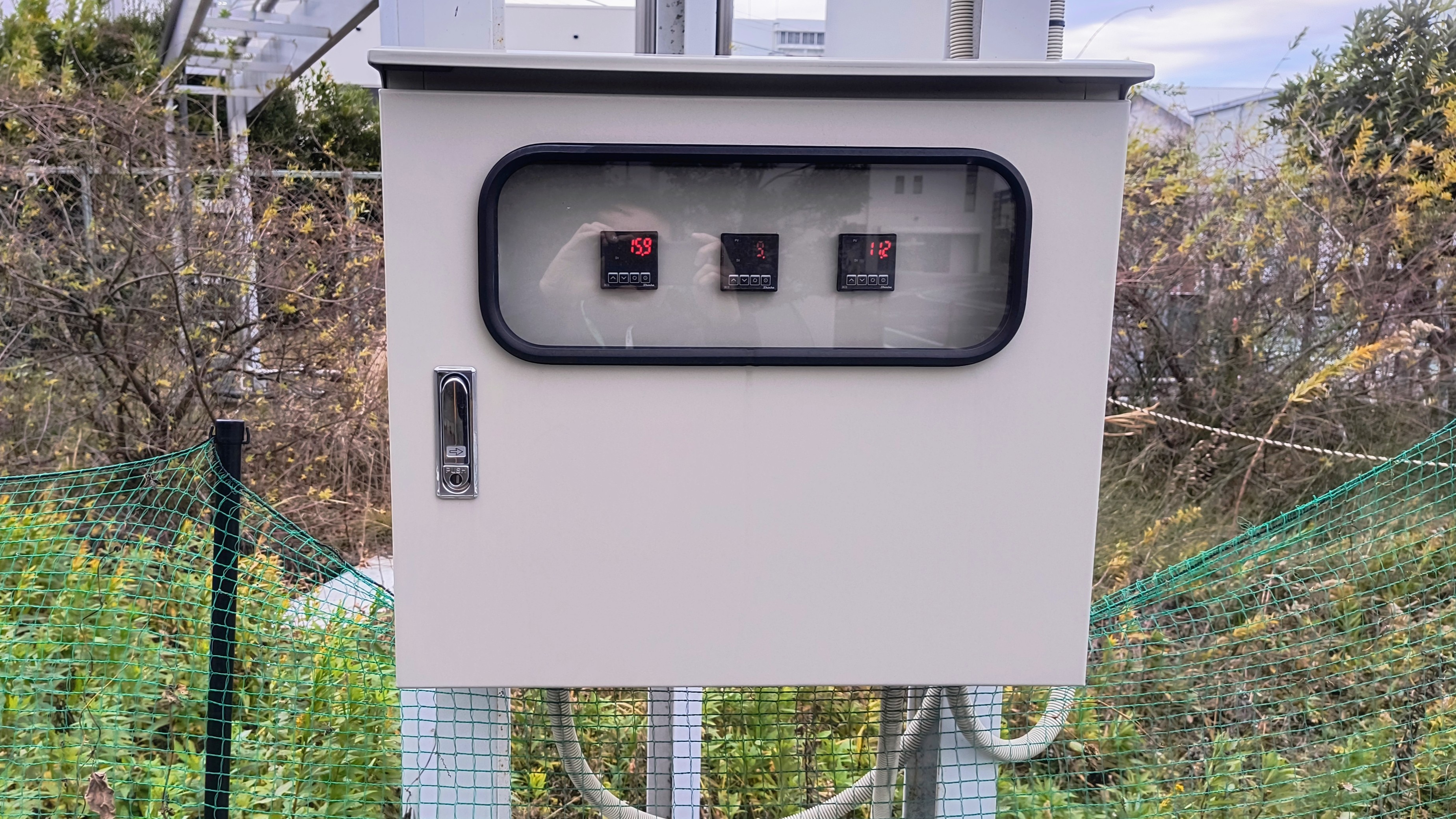
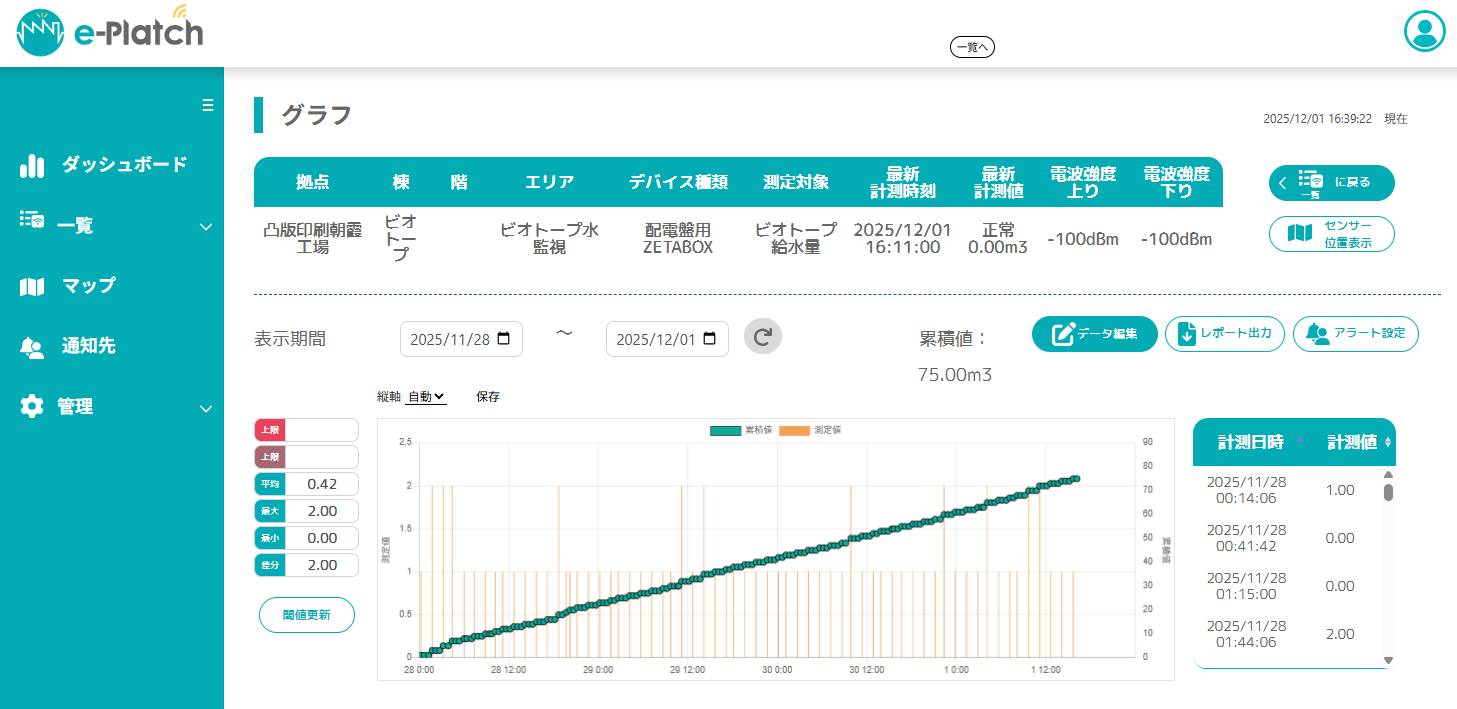
Water flow measurement visualized by e-Platch™
Q. You are working with nearby cities and schools on the preservation of rare species. What kind of things are you doing specifically?
Suzuki: Coexistence with the local community is an essential element of activities for environmental preservation. All of the rare species that we protect are ones whose habitats are under threat due to various reasons in Saitama Prefecture, and Ecosystem Conservation Society - Saitama has helped us identify the ones to focus on. Before we collected the species, people responsible for preservation in their original habitats inspected our site, and we have taken a lot of care with our activities to alleviate any concerns. People often express their appreciation to us directly, so we get to feel that what we’re doing is meaningful in terms of contributing to the community.
In July 2023, Ecosystem Conservation Society - Saitama, Tekscend Photomask, and TOPPAN collaborated to hold a biodiversity-themed event for TOPPAN employees and their families. This involved draining the pond, removing sludge that had accumulated at the bottom, and drying it in the sun, a process called kaibori in Japanese. Eighteen people participated in 15 groups, catching and surveying the freshwater fish living in the pond. The ginbuna (Carassius langsdorfii) and Japanese rice fish (Oryzias latipes) that had bred successfully were donated to local elementary schools and elementary student groups, respectively. We used it to create an opportunity for learning about nature by giving talks on our efforts to protect rare fish species.
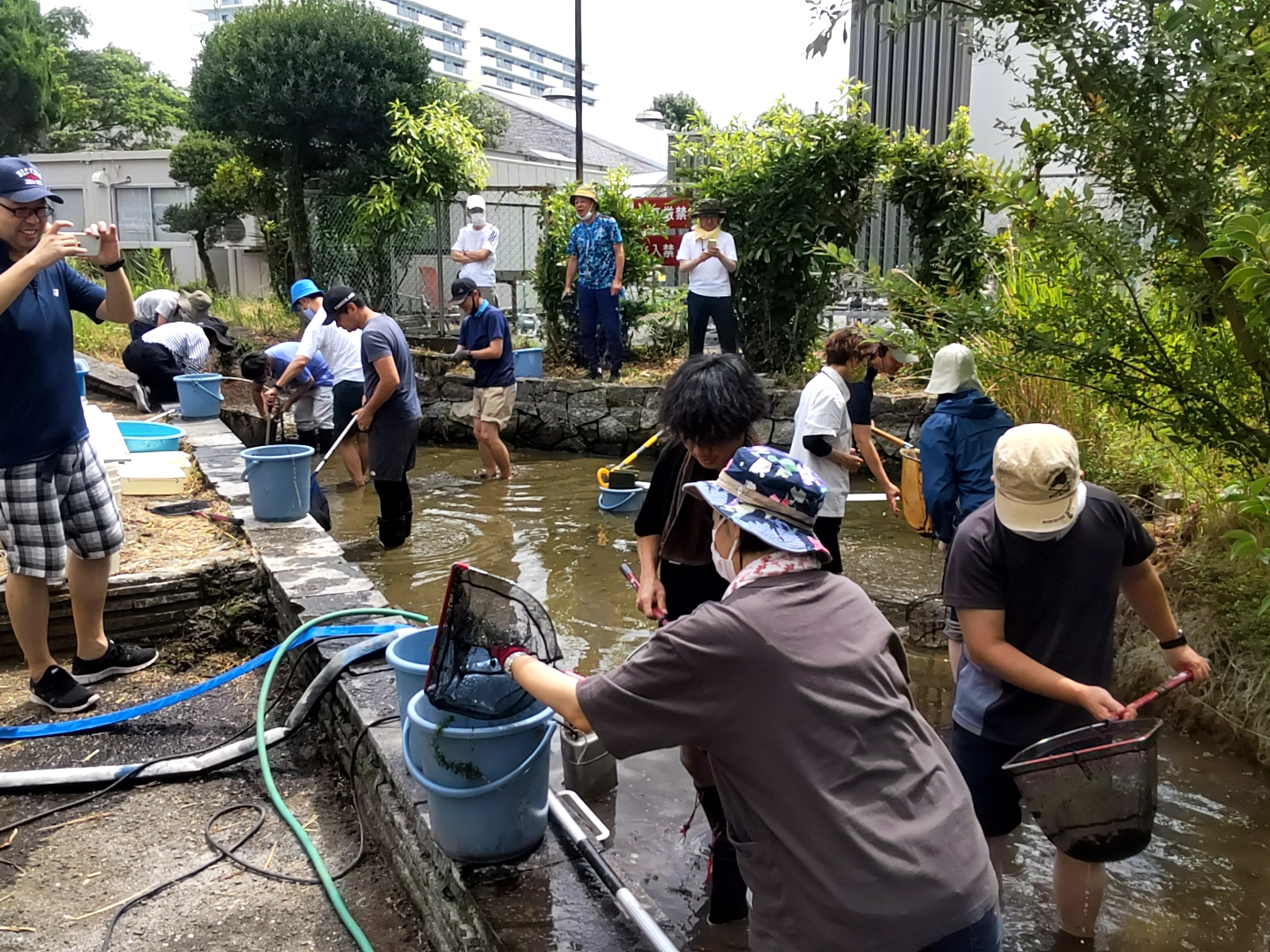
Draining the pond
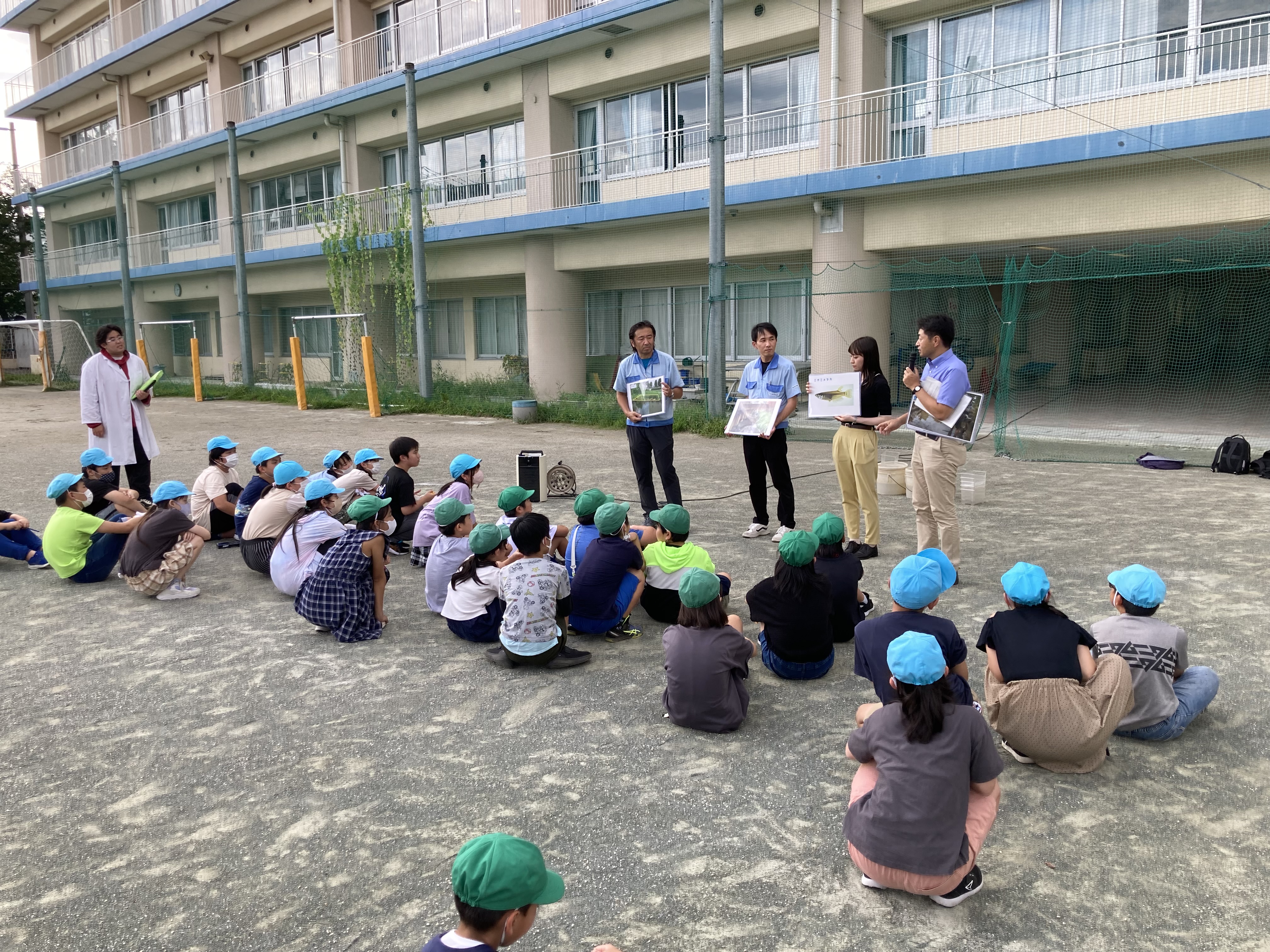
Nature talk given when ginbuna were donated
Kataoka: Aside from the Asaka Plant kaibori event that we collaborated on, TOPPAN Holdings organizes biodiversity-themed events about twice a year, mainly for employees and their families. Last year we held an event with Ecosystem Conservation Society - Saitama to search for creatures in the waterways around Fujimi in Saitama Prefecture. We also participated in the Tokyo Umi-no-Mori Club run by the Tokyo Metropolitan Government’s Bureau of Port and Harbor, contributing to efforts giving new life to the Tokyo Bay’s former landfill site as a lush and beautiful forest.
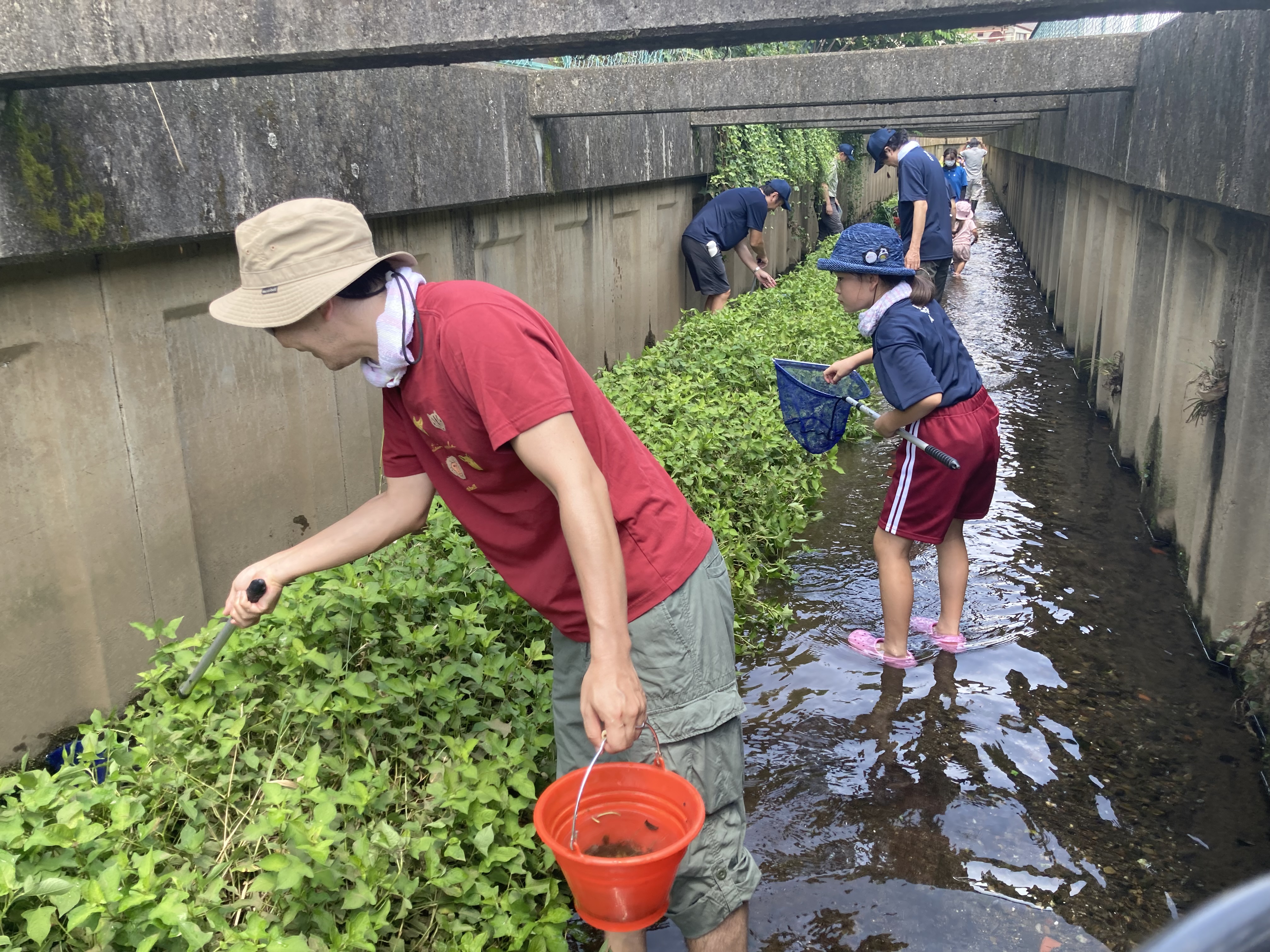
Searching for creatures in waterways
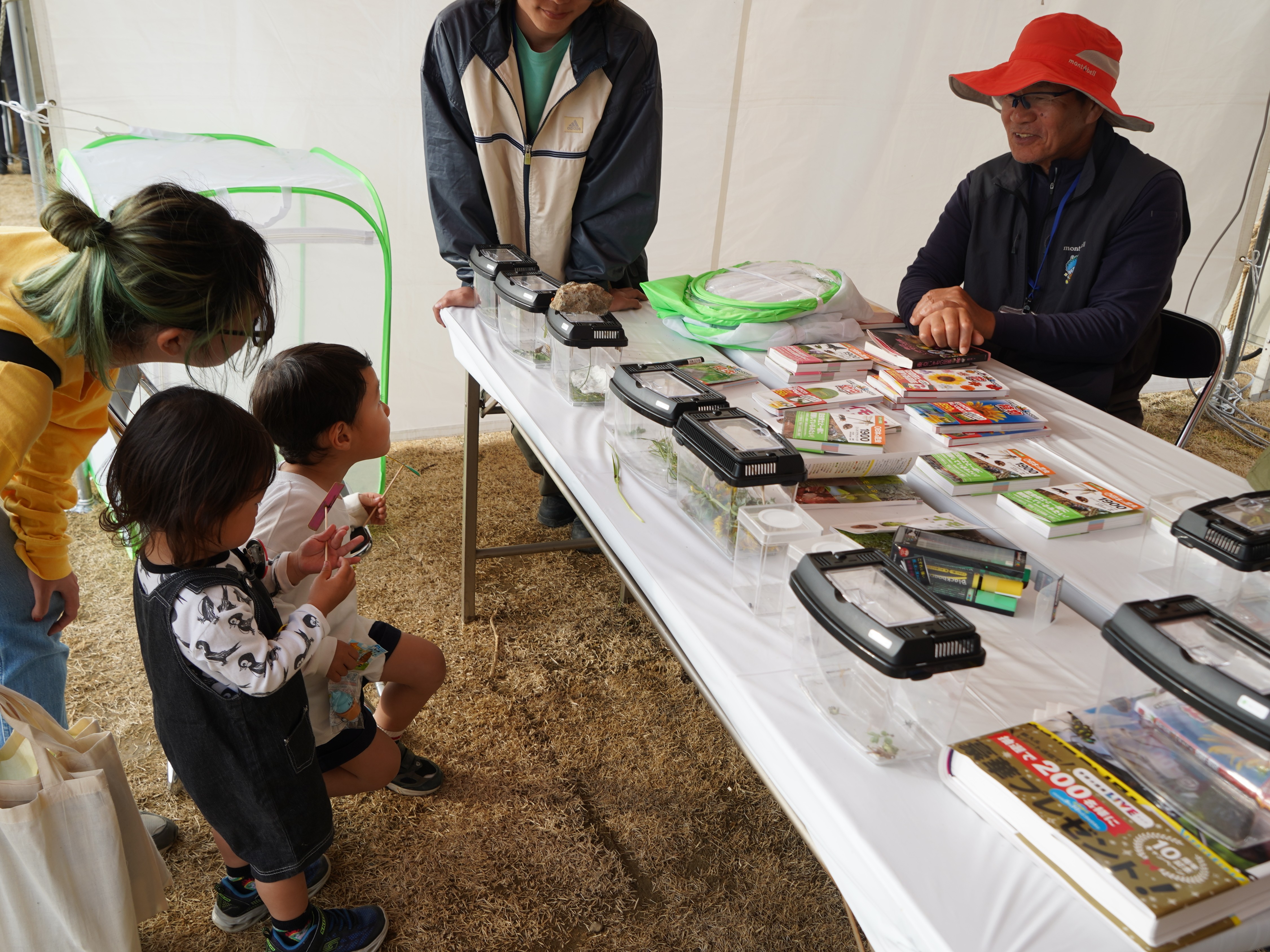
The Tokyo Umi-no-Mori Park event that TOPPAN Holdings helped run
Q. In light of all that you have done, how do you feel about biodiversity?
Suzuki: The biotope and activities to preserve rare species that we have undertaken thus far are very much in step with the 30 by 30 and nature positive movements. When participating in Saitama Prefecture’s Nature Positivity Promotion Subcommittee and other discussion forums, I have really felt the passion of the people from the government side. We support and want to contribute to the Nature Positivity Promotion Subcommittee’s goal of expanding collaboration between the public and private sectors by facilitating interaction between businesses, government, and organizations such as NPOs to achieve nature positive outcomes.
When we started out, we didn’t really get much recognition, but an expert told us that although the work itself is low-key, there is meaning in companies doing things that others are not doing. We got on board with that and have now been doing this for 13 years. It is very pleasing that our efforts have now borne fruit, particularly with accreditation as a Nationally Certified Sustainably Managed Natural Site.
Kataoka: Biodiversity initiatives such as the biotope can sometimes be seen as superficial community or social contribution activities, but I believe they will lead to enhancing corporate value in the future. While naturally we try to help resolve social issues through our business with various products and services, we also focus on creating opportunities for biodiversity-themed events that enable employees to take ownership and get a real sense of how we all benefit from natural capital.
Going forward, as part of the local community, we want to go beyond biodiversity preservation at TOPPAN Group sites, to support nature conservation and Nationally Certified Sustainably Managed Natural Site accreditation of areas outside our premises by proactively working with external organizations such as NPOs. We also want to work with experts while expanding activities in collaboration with other companies.
Published December 2025
*The names of companies, departments, and other organizations are current as of the time of the interview in November 2025.